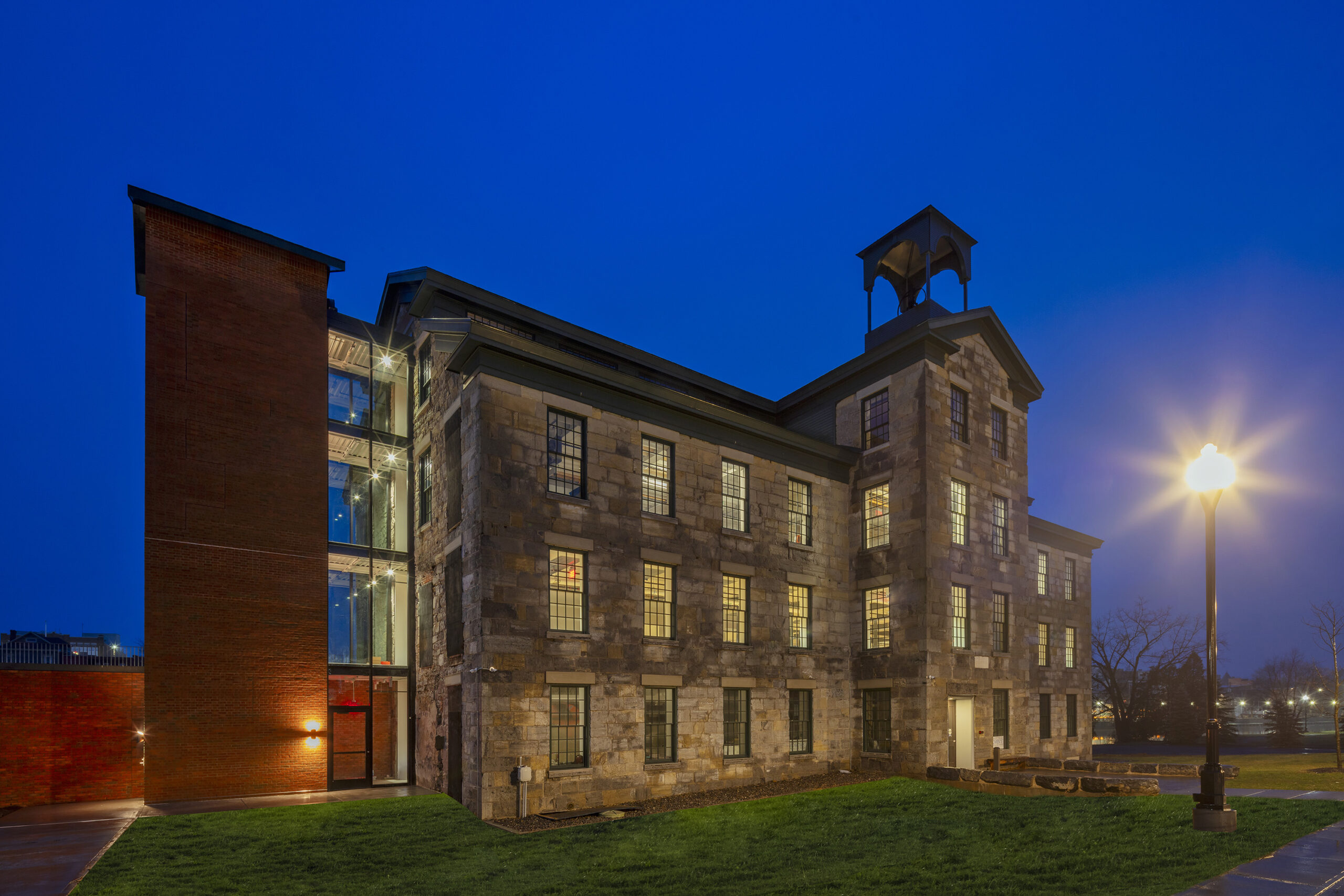
The National Women's Hall of Fame reopens to the public May 25.
Day(s)
:
Hour(s)
:
Minute(s)
:
Second(s)
Watch the 2024 Induction Ceremony!
Get Involved!
All donors who make gifts of $48 (or more) become National Women’s Hall of Fame members and are recognized as a part of the 1848 Society! Learn more about the 1848 Society membership program below.

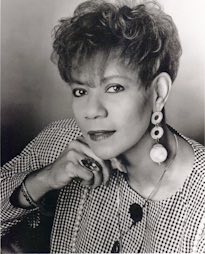
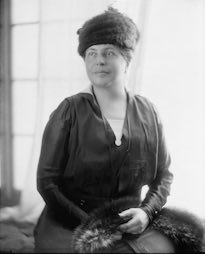
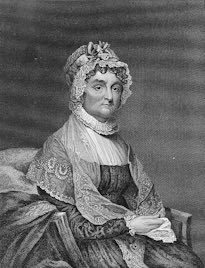
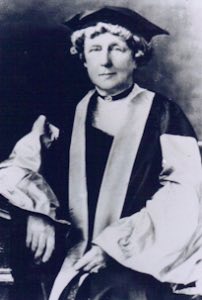
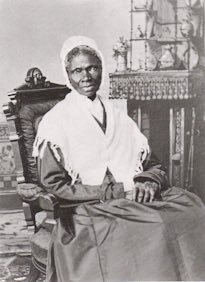
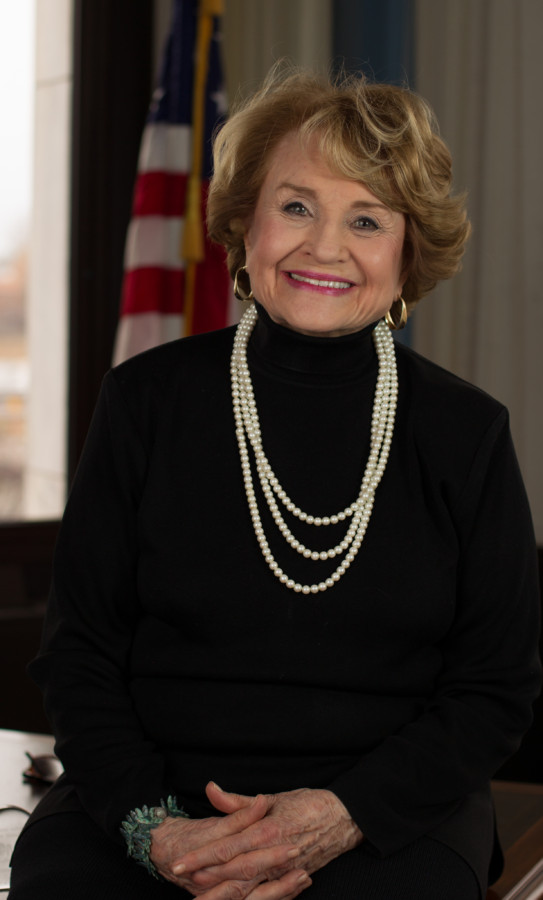
Discover the Women of the Hall










News & Events
An open call to fiber artists: be a part of the National Women’s Hall of Fame this summer!
The National Women's Hall of Fame is pleased to invite artists to submit your fiber-forward handwork to be included in a special exhibition this summer. Download exhibition and submission instructions here. The exhibition Crafting Democracy: Fiber Arts and Activism...
National Women’s Hall of Fame to reopen to the public on May 25
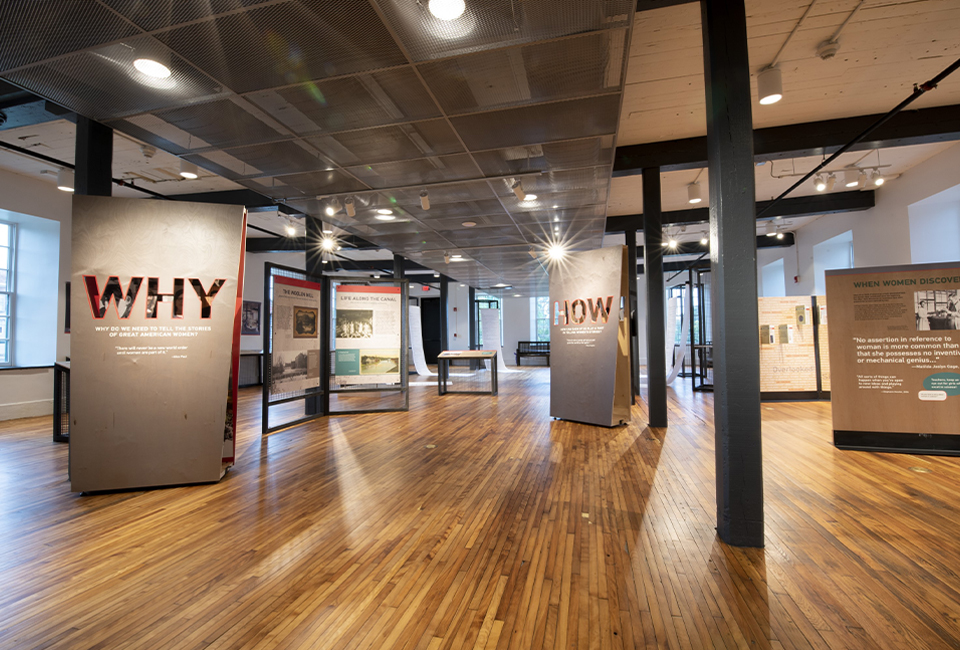
The National Women's Hall of Fame is pleased to announce its much-anticipated reopening to the public on May 25, 2024. Following opening day, the museum will welcome visitors every Tuesday through Saturday from 11:00 am to 4:00 pm. The reopening of the National...
National Women’s Hall of Fame announces new funding to continue work at the Seneca Knitting Mill
NY Senators Schumer and Gillibrand championed efforts to ensure women’s stories have a home in the birthplace of Women’s Rights SENECA FALLS, NY... The National Women’s Hall of Fame is pleased to announce that the FY24 appropriations bill signed into law this week...
National Women’s Hall of Fame announces 2024 Inductees
Ten women will comprise the first class of Inductees to be honored at a nationally broadcast Induction Ceremony in New York City The National Women's Hall of Fame, the nation's first and oldest nonprofit dedicated to honoring distinguished American women, is honored...
An open letter to our Seneca Falls community
To our cherished Seneca Falls community, News has broken, and by now you know that the National Women’s Hall of Fame plans to hold the 2024 Induction Ceremony in New York City in March. I knew this venue change would be met with mixed feelings in the community....